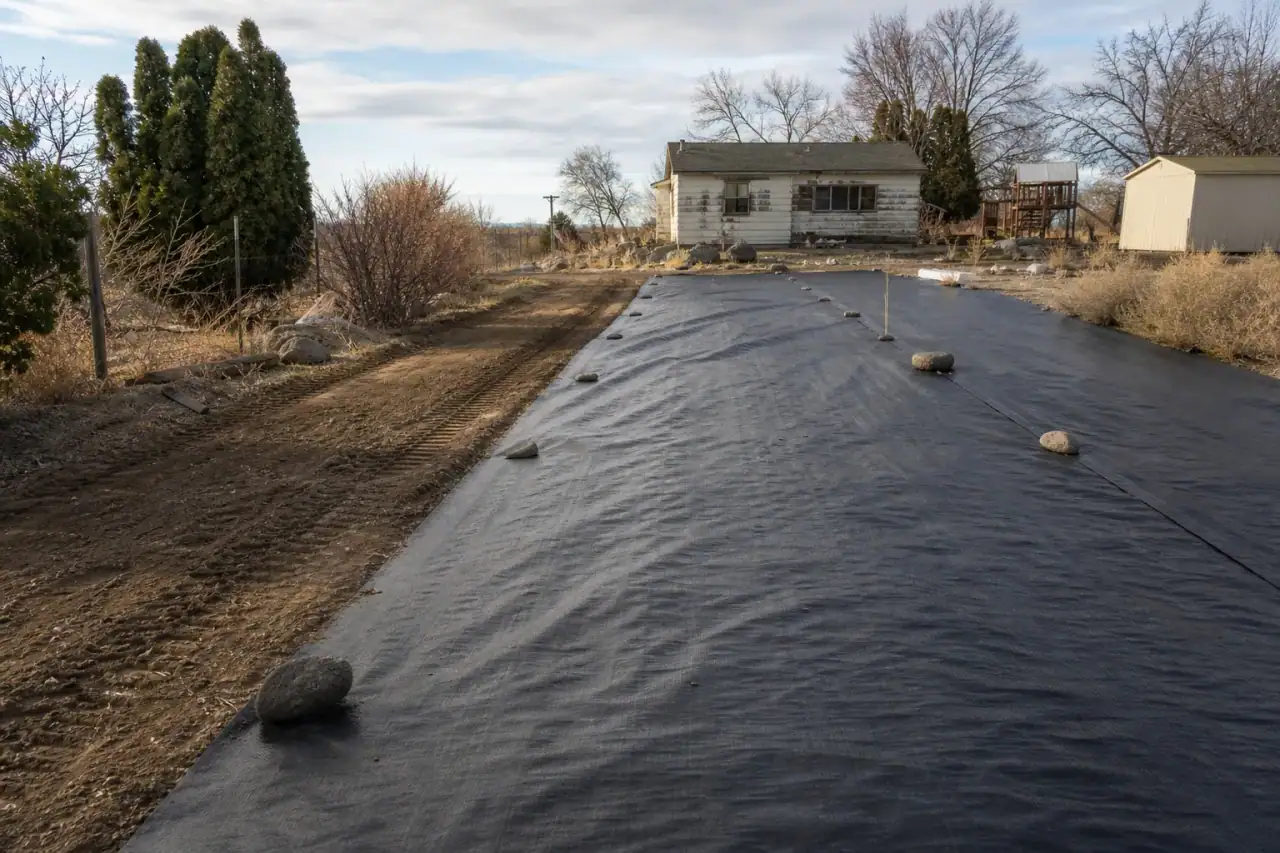
What you will learn
- See how geotextile ground covers improve access on soft, messy sites
- Learn when ground separation helps protect future site preparation
- Understand how cleanup reveals drainage and soil trouble early
- Find out what to inspect before installing geotextile ground covers
- Plan a safer, more efficient path toward rural property improvements
On neglected acreage, geotextile ground covers in Yakima can be one of the smartest first steps before heavier site preparation begins. When a property has loose debris, overgrowth, ruts, soft spots, and years of unmanaged surface material, it is difficult to move equipment efficiently or understand what the ground is really doing. A properly planned geotextile layer helps separate unstable native soil from imported surface material, improves access across problem areas, and creates a more reliable working platform for the next phase of improvement. For homeowners and local business owners in Yakima, that means fewer surprises, better visibility into site conditions, and a cleaner path toward safe, organized property use.
Why neglected acreage needs a stable first layer
Many rural and semi-rural properties look like they only need basic clearing, but once surface clutter is removed, the real issue is often poor separation between soft subgrade and the surface that vehicles or equipment need to travel on. That is where geotextile ground covers make a practical difference. Instead of allowing rock or surface aggregate to sink into weak soil, the fabric creates a dividing layer that helps maintain structure and reduces mixing. If you want a deeper look at early warning signs before site work starts, review how to tell if your property needs geotextile ground covers before you build for a helpful overview of common site conditions.
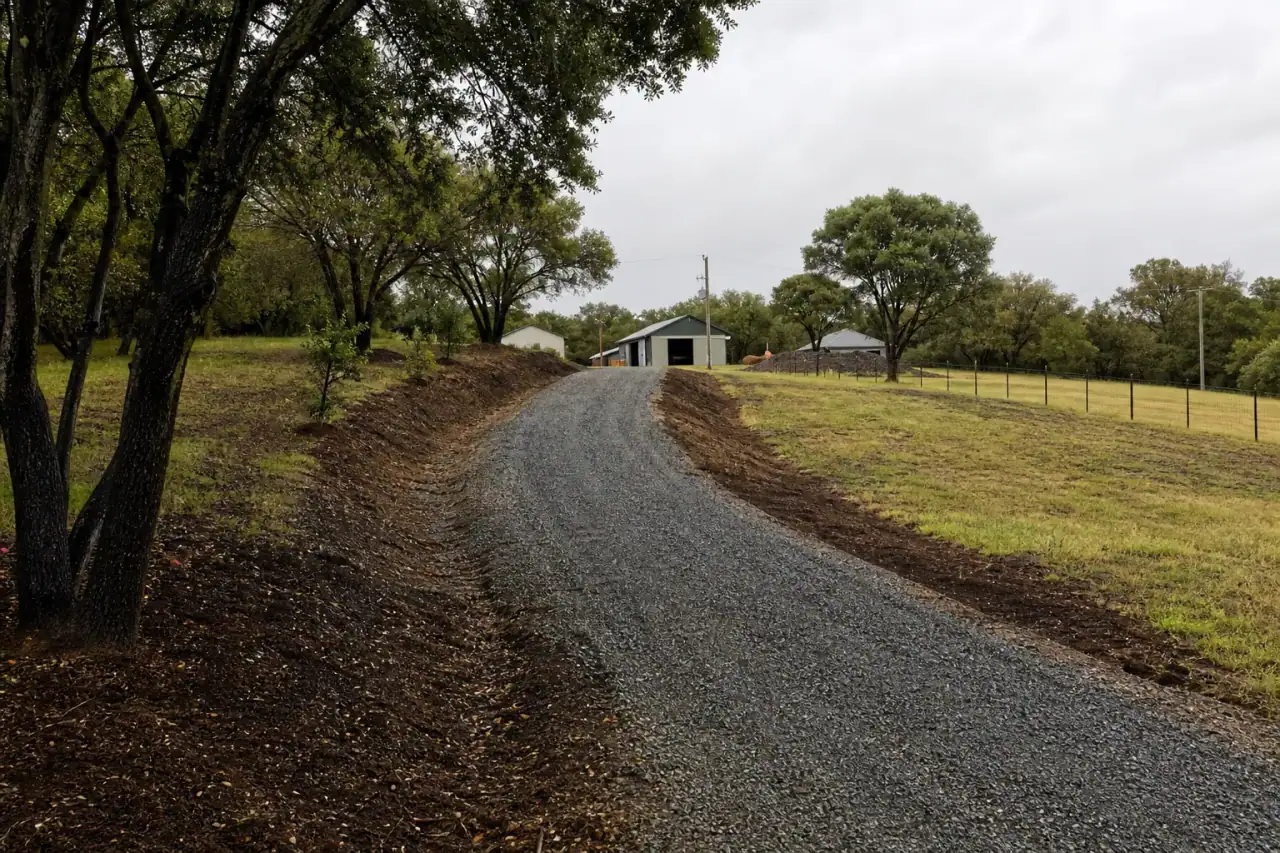
On a neglected Yakima lot, soft access routes are often hidden by weeds, dumped material, or seasonal surface buildup. Once those areas are exposed, geotextile ground covers can help support cleaner access for pickups, trailers, compact equipment, and future maintenance traffic. This matters because unstable travel paths tend to spread the problem outward: tires create deeper ruts, water collects in low areas, and every pass makes the site harder to manage. A stable separation layer gives the property owner a more predictable base to work from while keeping the footprint more organized.
- Separates soft soil from imported surface material
- Helps reduce rutting in repeated access areas
- Supports cleaner movement across exposed problem zones
- Makes site conditions easier to assess and manage
What geotextile ground covers help reveal after cleanup
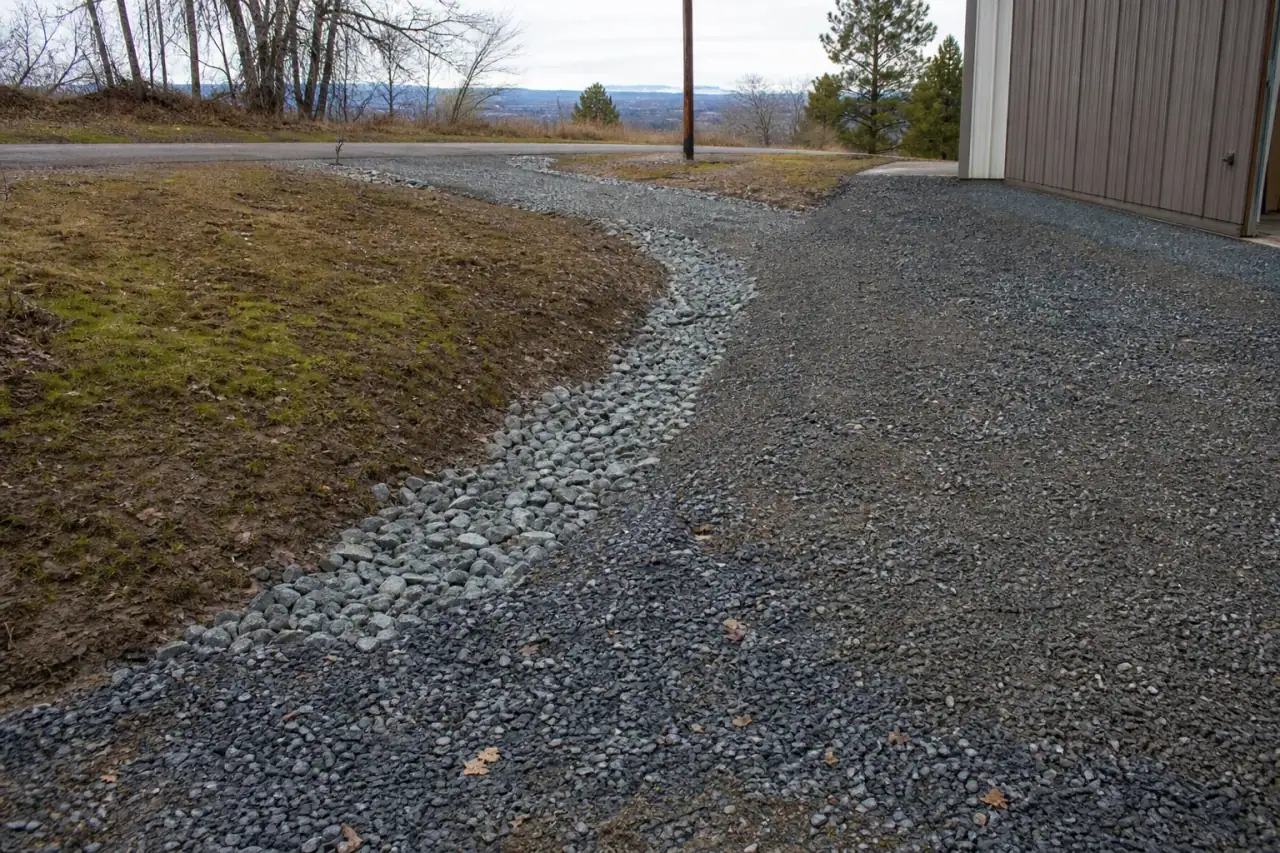
One of the most valuable benefits of installing geotextile ground covers in Yakima is that cleanup and stabilization often reveal where the property is struggling. Once debris and overgrowth are removed, you can see where water is lingering, where soil has been pumping up into travel lanes, and where previous fill has failed. These clues matter because they affect how the lot can be used and how future improvements should be sequenced. Property owners who want to understand how low spots and poor drainage can complicate access may also benefit from reading this guide on correcting low spots, soft access routes, and drainage problems and these drainage warning signs to address before site work moves forward.
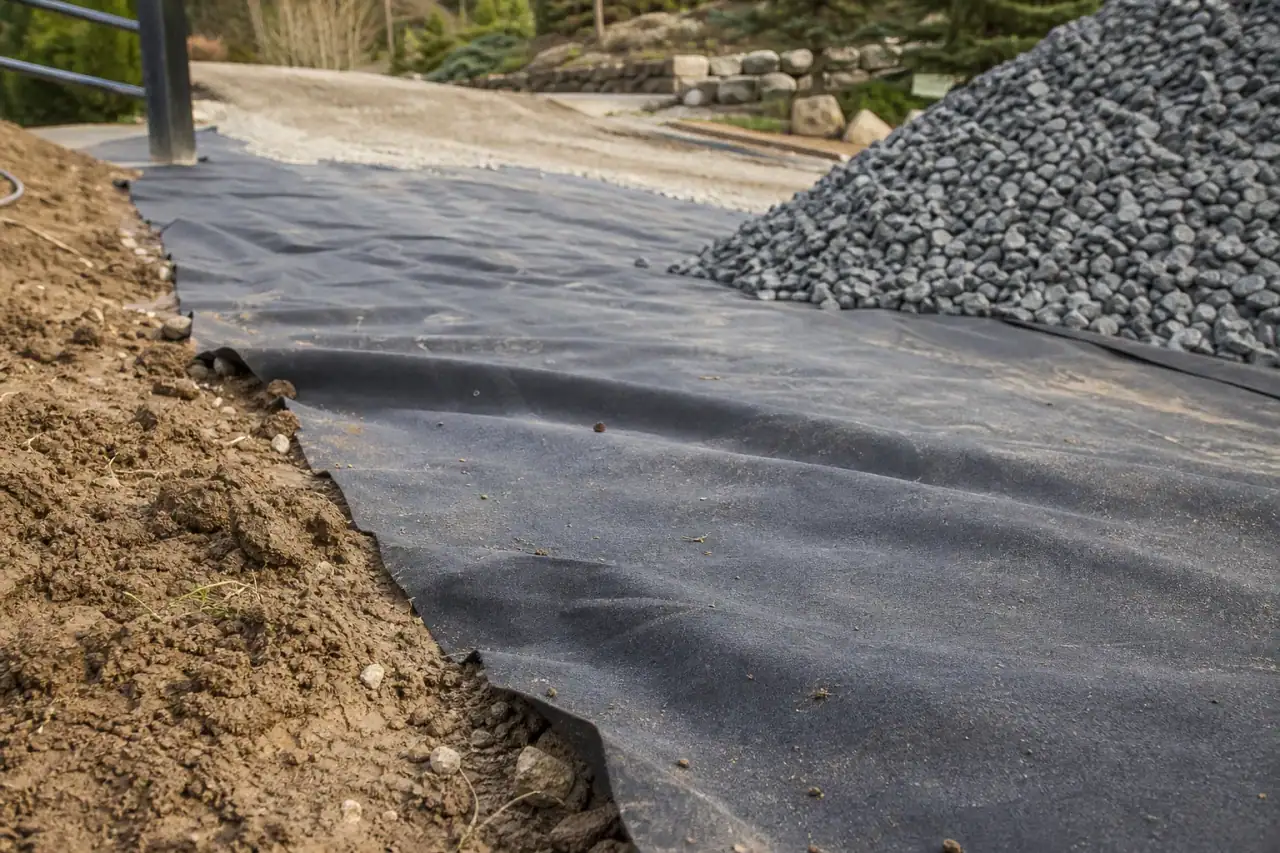
That early visibility helps avoid wasting material on a surface that will not hold up. If a neglected lot has hidden seepage, silty soil, or recurring saturation, simply placing aggregate on top can lead to migration, displacement, and ongoing maintenance. Geotextile ground covers improve performance by reinforcing the separation between layers, which gives the surface a better chance to stay where it belongs. In Yakima, this is especially useful on acreage where access routes, storage zones, and work areas need to stay passable through changing site conditions.
Where this approach is especially useful on Yakima properties
Not every part of a lot needs the same treatment, but some areas commonly benefit from geotextile installation first. Repeatedly used entry points, informal drive lanes, equipment staging areas, and work zones around future improvements are all common candidates. On neglected parcels, these spaces often look usable from a distance but quickly break down once traffic begins. For a related look at how access issues can escalate when cleanup is delayed, see this Yakima post on clearing debris and overgrowth before access costs rise.
Geotextile ground covers are also useful when a property owner needs a cleaner transition from unmanaged land to active use. That may include creating a more dependable path to a work area, stabilizing a section that tends to stay muddy, or preparing a portion of the lot for regular vehicle movement without having the surface disappear into the soil. When paired with a clear understanding of slope, moisture, and runoff patterns, this approach helps set realistic expectations for what the land can support. For broader context on drainage-sensitive ground, consider what to check before addressing sloped or uneven ground and these soil and drainage conditions to review before major site preparation.
What property owners should inspect before installation
Before installing geotextile ground covers in Yakima, it helps to evaluate how the lot has been behaving over time. Look for wheel ruts that refill with water, areas where grass or weeds grow differently because of trapped moisture, edges where soil sloughs into travel lanes, and sections where old fill has blended into the native ground. Also note any dumped concrete, brush piles, metal, or miscellaneous waste that could interfere with a uniform base. The goal is not just to make the lot look cleaner; it is to understand which surfaces are structurally unreliable and where separation will provide the greatest benefit.
- Identify soft or pumping ground in access areas
- Remove debris that prevents even contact with the subgrade
- Map wet spots, runoff paths, and recurring low areas
- Determine where repeated traffic will concentrate
- Choose installation zones based on long-term use patterns
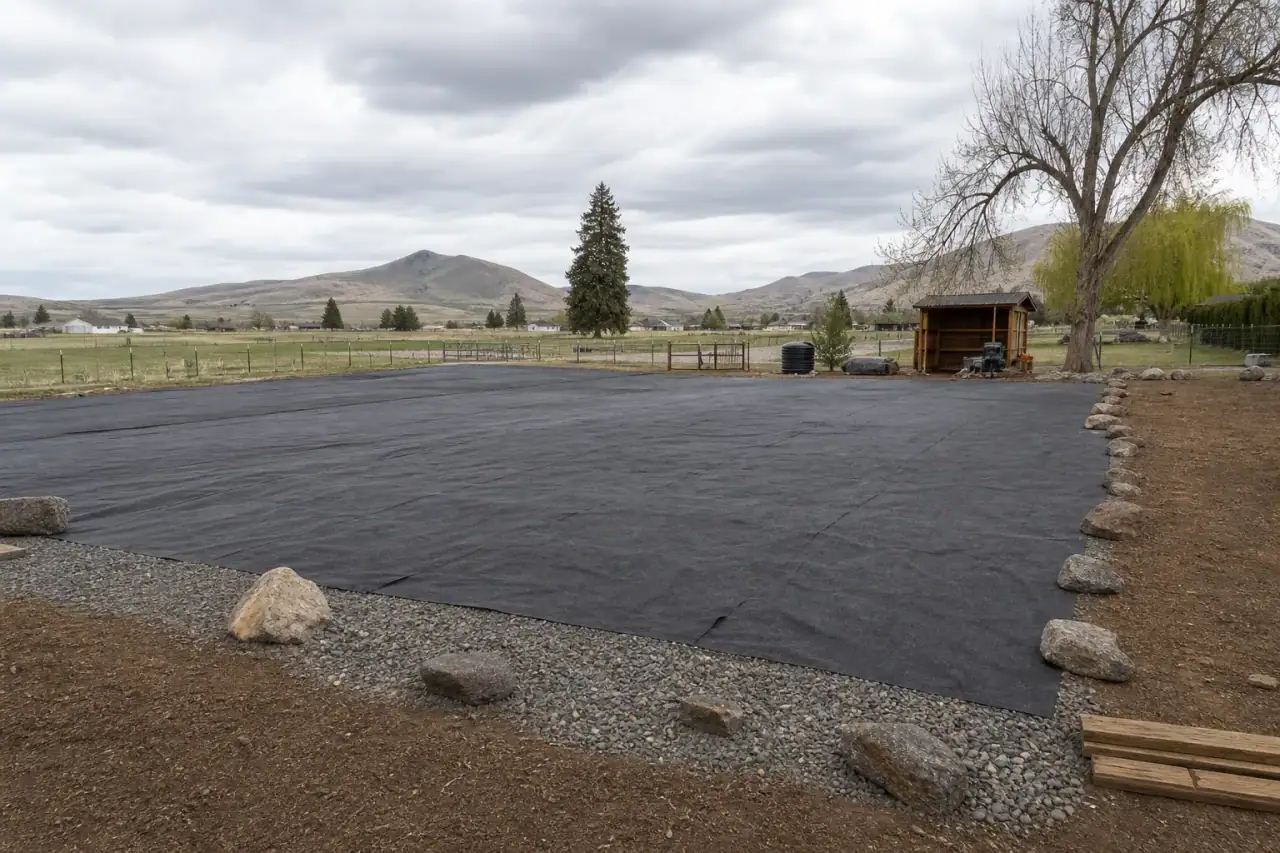
It is also important to think about how the property will be used after stabilization. A lightly traveled lane, a storage area, and a frequently accessed work zone may all call for different surface strategies above the geotextile layer. The fabric itself is not a cure-all; it is a foundational component that helps preserve the performance of the materials placed over it. When property owners in Yakima understand that role, they are better positioned to make practical decisions that support site longevity instead of short-term patching.
How geotextile ground covers support a cleaner path forward
A neglected lot becomes easier to manage when there is a defined, stabilized surface where traffic belongs. That is the real value of geotextile ground covers: they help turn uncertain ground into a more usable, understandable part of the property. Instead of repeatedly dealing with sinking stone, sloppy access, or surface breakdown, owners can establish a more dependable base that supports ongoing property improvement. This is especially valuable in Yakima where rural parcels often need durable access and a more efficient transition from raw acreage to active use.
For homeowners and local business owners, the benefit is both practical and financial. Better separation can reduce waste of imported material, limit recurring surface repairs, and make the site safer and more efficient to navigate. Just as important, it helps uncover what the land needs before more investment is made on top of unstable conditions. If your property has been neglected and the ground is no longer predictable, geotextile ground covers in Yakima can provide the organized first layer needed to move forward with greater confidence.
Conclusion
When unmanaged acreage hides soft soil, debris, and unreliable access, geotextile ground covers in Yakima offer a smart first step toward a cleaner, more stable property. By improving separation, supporting access, and exposing trouble spots early, geotextile ground covers help Yakima property owners create a safer, more efficient path toward future site improvements.
Source: permeable surface and runoff guidance
Frequently asked questions
What do geotextile ground covers actually do on a neglected lot?
Geotextile ground covers create a separation layer between weak native soil and the surface material placed above it. On neglected lots, that helps reduce mixing, supports more stable access, and improves the performance of aggregate or other surface layers in areas that would otherwise rut or break down quickly.
How do I know if my Yakima property needs geotextile ground covers?
Common signs include repeated rutting, muddy or soft access lanes, aggregate that keeps disappearing into the soil, low areas that stay wet, and ground that feels inconsistent from one section to another. If cleanup exposes unstable subgrade or recurring moisture issues, geotextile ground covers may be a strong fit.
Can geotextile ground covers help before other site improvements happen?
Yes. They are often most valuable early, because they help stabilize key access and work areas before more investment is made. That gives property owners a more dependable surface, helps reveal drainage concerns, and creates a cleaner foundation for the next stage of site preparation.