What you will learn
- See how runoff patterns affect build-ready ground
- Learn where sediment problems start on uneven acreage
- Understand how stable access depends on controlled drainage
- Find out how early site planning reduces rework later
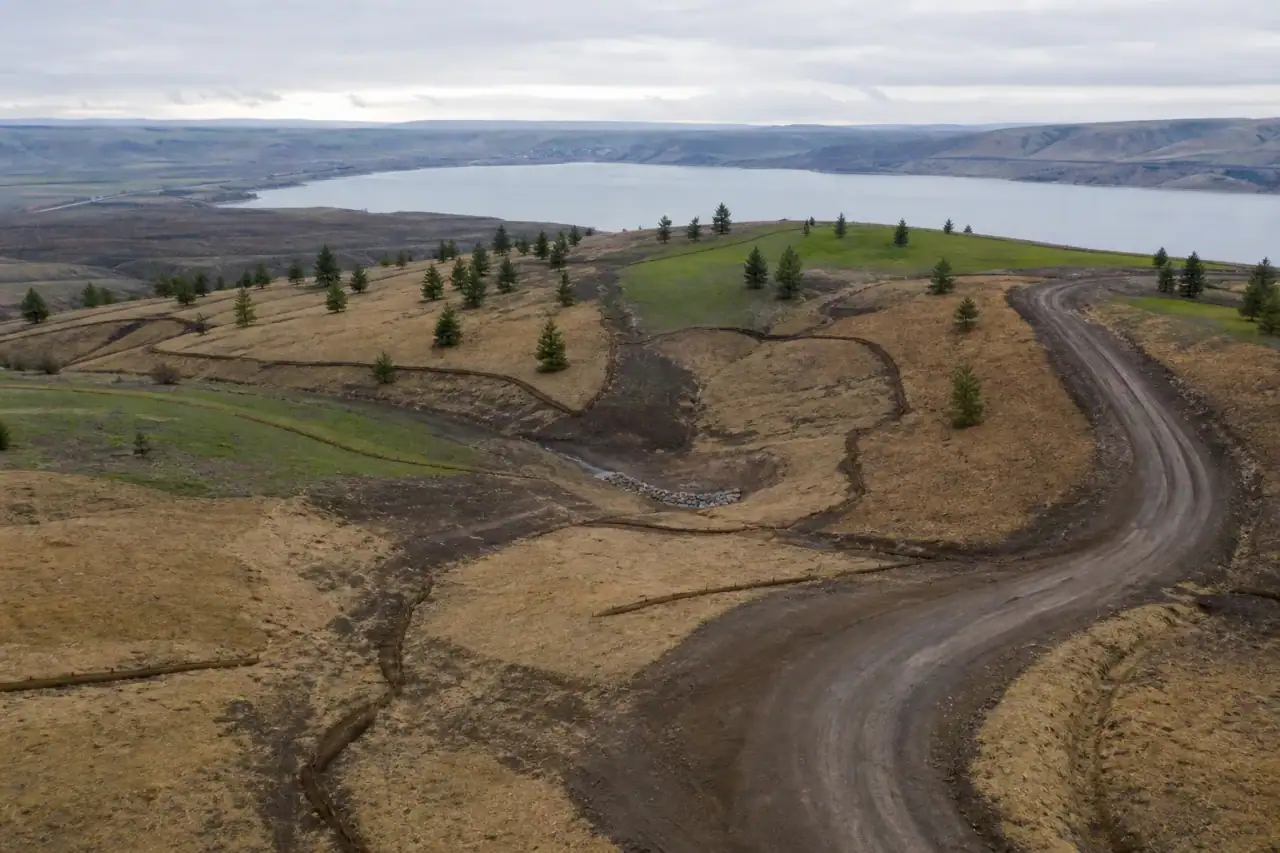
Erosion and sediment control in Wallula is one of the smartest first steps when a property has uneven acreage, recurring runoff, soft access points, or plans for future improvements. Before drive lanes, pads, drainage features, or other upgrades can perform the way they should, the site needs controlled water movement and protected soil conditions. For homeowners and local business owners, a strategic approach helps reduce washouts, limit sediment movement, and create a cleaner, more stable starting point for the next phase of work.
Why uneven acreage creates bigger site problems over time
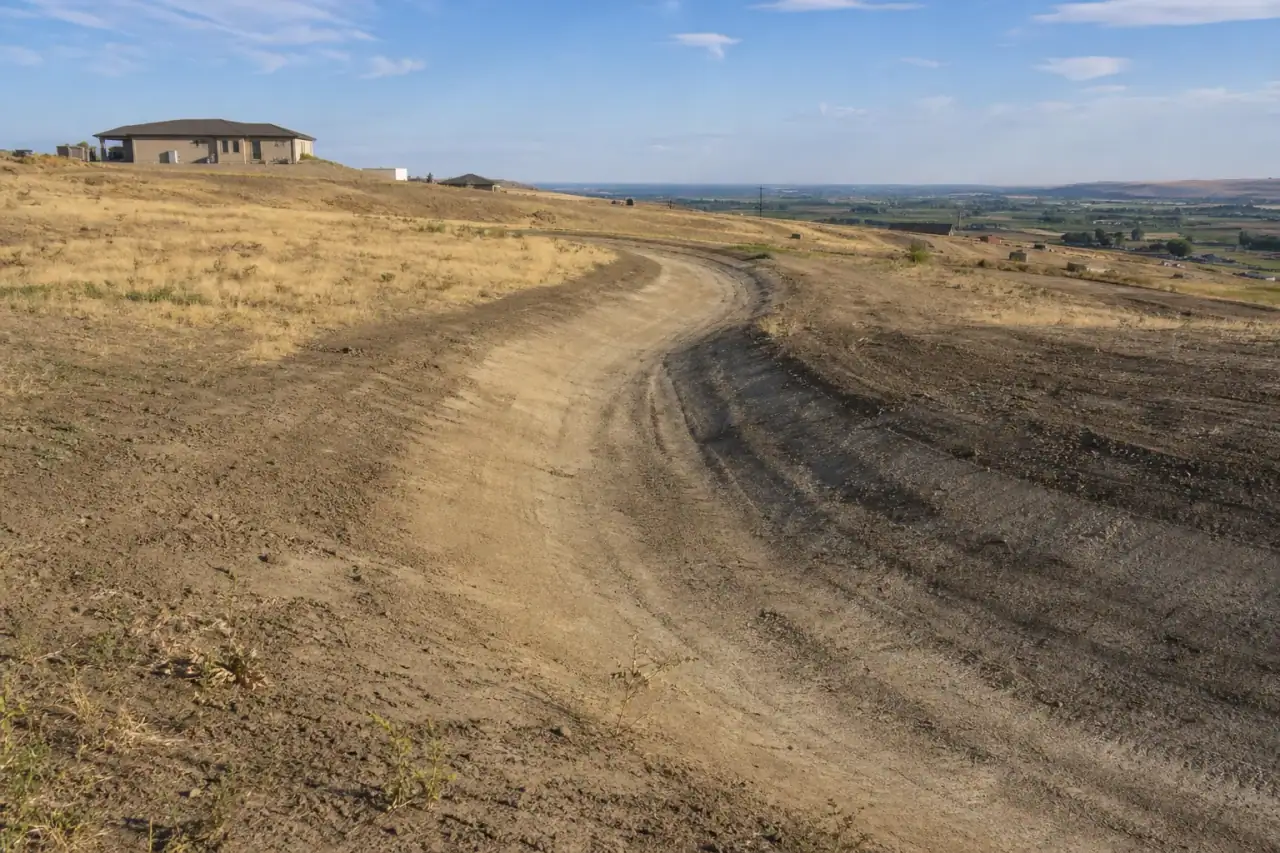
Uneven ground does more than look unfinished. On many properties, small grade changes can redirect runoff toward access routes, low areas, and future build zones. Once water starts concentrating in the wrong places, it can carry loose soil downhill, soften travel paths, and leave behind sediment where it does not belong. That is why erosion and sediment control in Wallula matters early: it helps property owners address slope behavior before surface instability spreads across the site.
In practical terms, this means evaluating where water enters the property, where it accelerates, where it ponds, and where disturbed soil is most likely to move. A thoughtful plan may include measures that slow runoff, keep sediment contained, and support intended site use without creating unnecessary disturbance. If you want a deeper look at early warning signs, see this related guide on site conditions that can delay a build if you miss them early.
What strategic erosion and sediment control is meant to accomplish
The goal is not simply to move dirt around. Effective erosion and sediment control in Wallula is about managing how water and soil behave together so the property performs better under normal weather conditions. On uneven acreage, that often means reducing the force of runoff, protecting vulnerable soil surfaces, and keeping sediment from collecting in access areas or future improvement zones.
- Reduce soil loss on exposed or sloped sections
- Limit sediment buildup in low spots and travel paths
- Improve surface stability before future site work
- Support cleaner drainage patterns across the property
- Create more predictable conditions for planned improvements
How runoff control supports stable access and cleaner build preparation
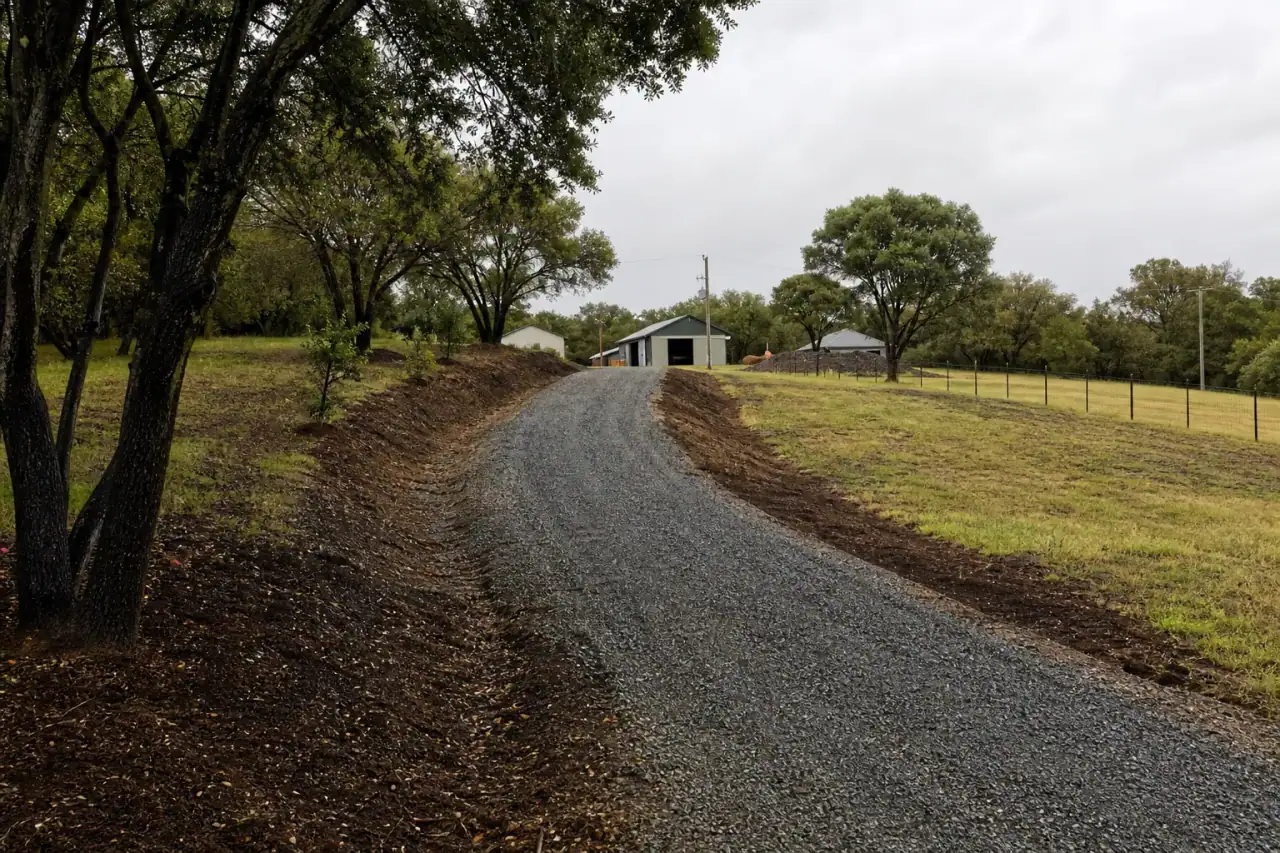
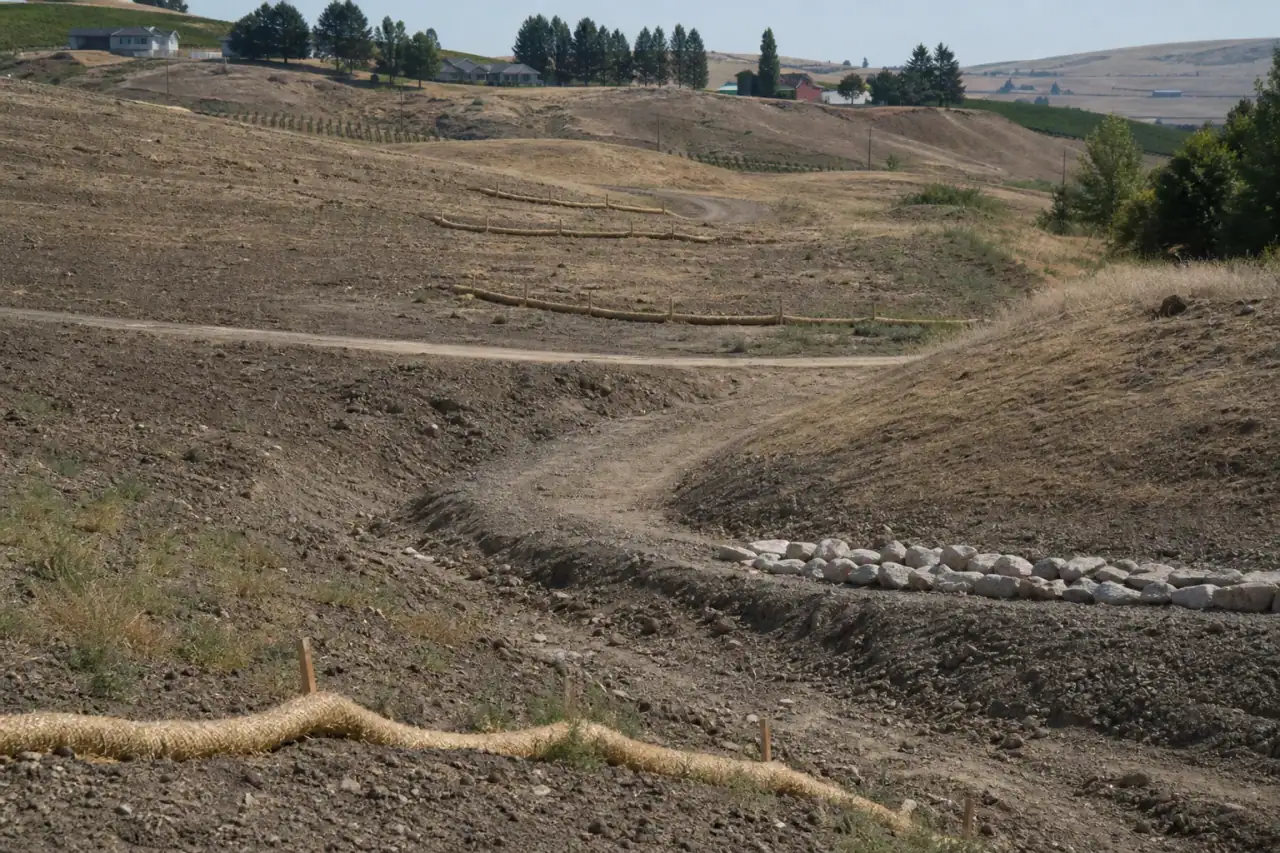
Access is often one of the first things owners notice when a site is not performing well. A route that seems usable in dry conditions can become soft, rutted, or uneven after water repeatedly crosses it. By prioritizing erosion and sediment control in Wallula, property owners can reduce the chance that runoff will cut through key access lines or deposit sediment where vehicles need stable footing.
This matters whether the next step is a driveway, a pad, a utility corridor, or a more organized drainage layout. Cleaner site conditions today usually mean less correction later. For related planning insight, review this article on what to clear first when preparing rural property for drainage work, trenching, or new access and this post covering what property owners should check before scheduling drainage solutions on sloped or uneven ground.
Common conditions that suggest control measures are needed
- Bare soil that washes or crusts after rain
- Low areas that stay soft or collect muddy runoff
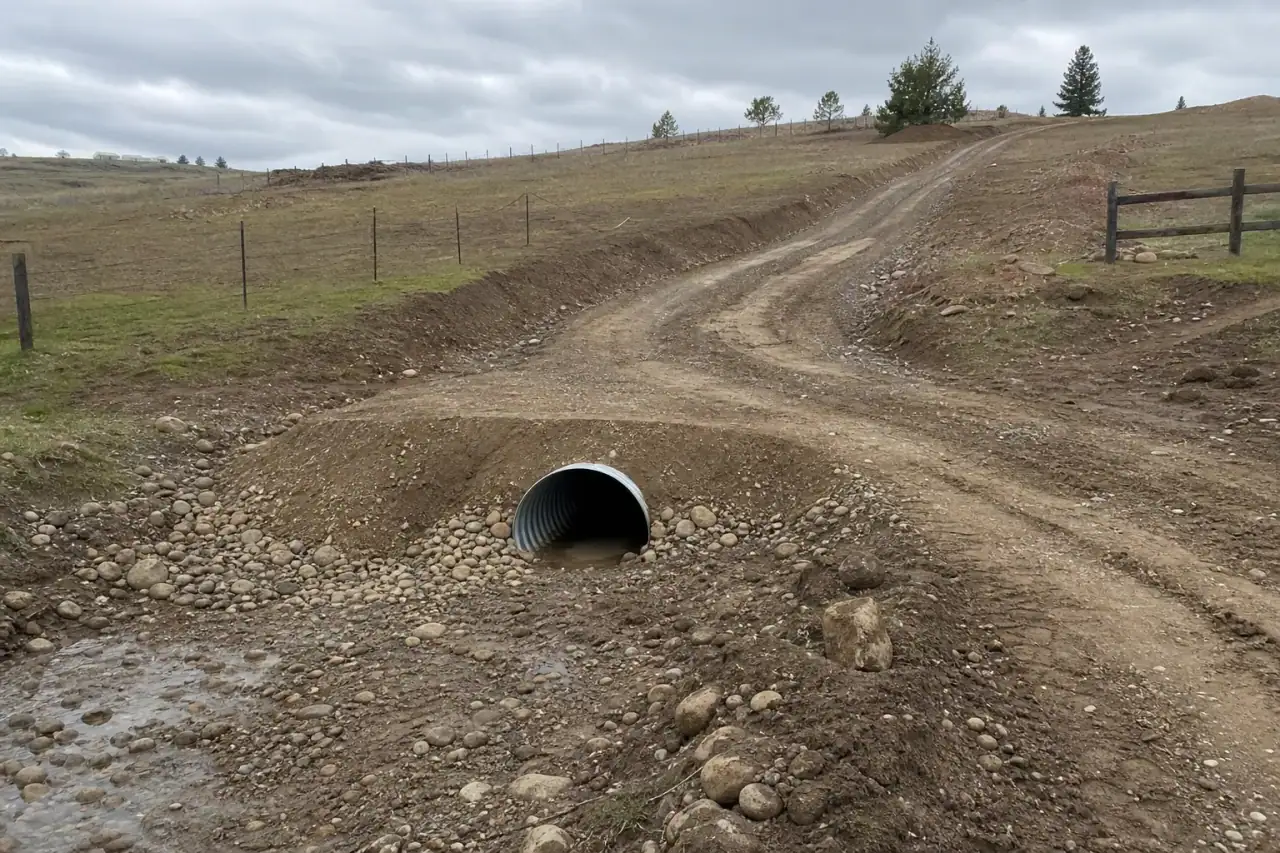
- Visible channels where water is cutting across the surface
- Sediment buildup along access routes or near planned work areas
- Uneven transitions between higher ground and flatter sections
These conditions can seem minor at first, but they often point to larger drainage and stability issues. Property owners who address them early usually have more flexibility in how future work is laid out and sequenced. A useful companion read is this guide on preparing raw acreage for drainage, access, and future build sites without overcorrecting the grade, which reinforces the value of measured site planning.
What property owners should expect from a site-first approach
A professional site-first process begins with reading the land as it exists now, not as it appears on a simple sketch. That includes slope direction, drainage concentration points, exposed soils, traffic patterns, and the location of future site improvements. With erosion and sediment control in Wallula, the objective is to create conditions that support the property’s intended use while reducing the chance that runoff and sediment will interfere with the next phase.
That planning can also help avoid overworking areas that do not need major correction. On some sites, the best results come from targeted control measures that protect vulnerable sections while preserving the broader layout. For another perspective on evaluating acreage before larger improvements, see how to evaluate acreage for permanent vegetation for erosion control before you build.
Why timing matters before driveways, pads, and drainage features
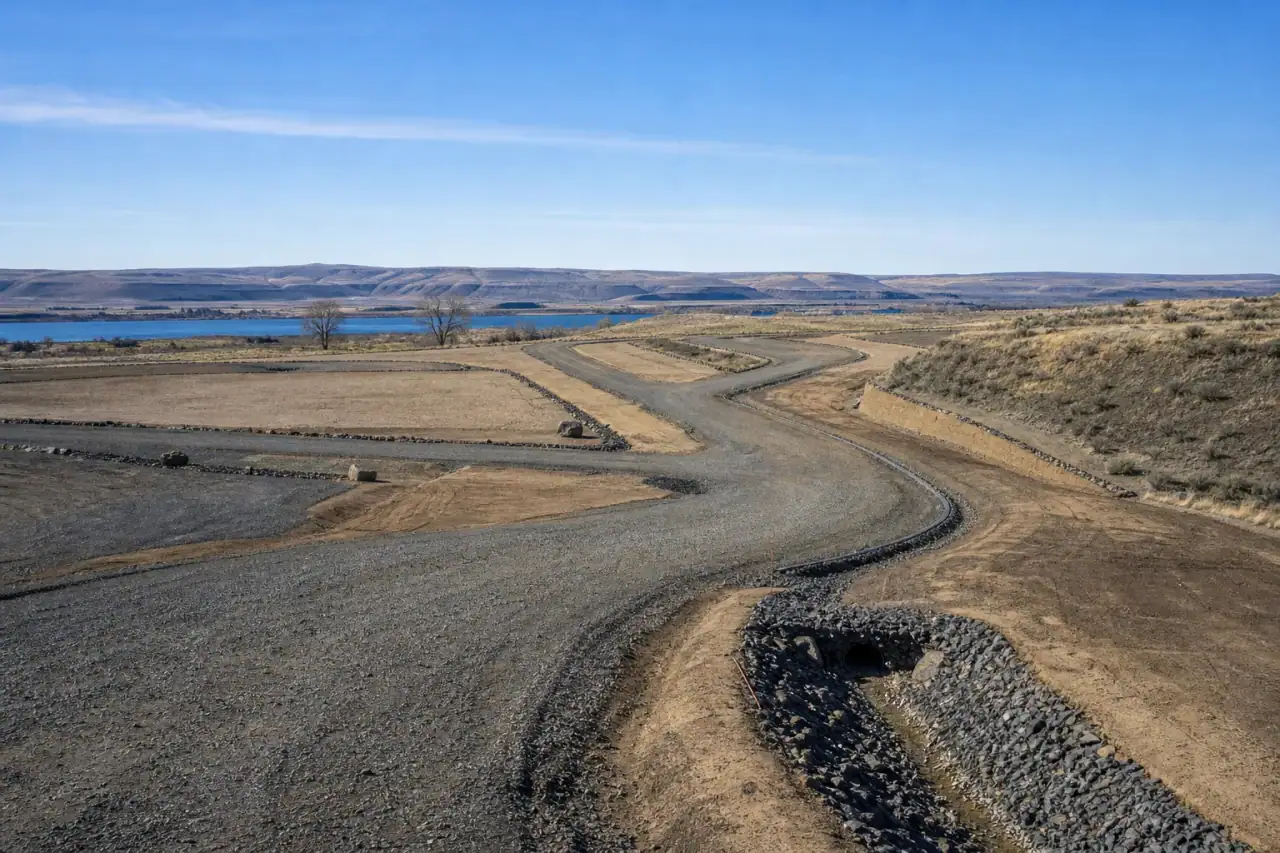
One of the biggest mistakes on uneven acreage is treating runoff and sediment as issues to fix after improvements are installed. By then, water may already be undermining edges, softening subgrades, or carrying material into finished areas. Prioritizing erosion and sediment control in Wallula beforehand helps create a more dependable base condition for the work that follows.
It also helps owners make better decisions about sequencing. If the property has neglected sections, excess growth, or muddy low spots, restoring order before the next build phase can protect both access and layout efficiency. Related reading includes this article on reclaiming neglected acreage before drainage, trails, or building prep and this post on reclaiming soggy, uneven acreage before building or planting.
How White Arrow Land Works helps property owners plan smarter
WHITE ARROW LAND WORKS approaches erosion and sediment control in Wallula with a practical, site-focused mindset. The priority is understanding how the existing surface behaves, where instability is starting, and what conditions need to be corrected so the property is better prepared for future use. For homeowners, that can mean protecting access and reducing mess. For local business owners, it can mean creating more predictable site conditions before the next improvement phase begins.
The value of this work is not just in addressing what is visible today. It is in creating a more stable and functional property tomorrow. When runoff is managed, sediment stays controlled, and the site is prepared intentionally, future improvements are easier to place with confidence.
Conclusion
If your property has uneven ground, recurring runoff, or soft access areas, erosion and sediment control in Wallula is an important place to start. Done strategically, it helps protect soil, improve drainage behavior, stabilize access routes, and create cleaner conditions for whatever comes next. WHITE ARROW LAND WORKS helps homeowners and local business owners in Wallula take a smarter first step with erosion and sediment control that supports long-term site performance.
Source: erosion and sediment control on construction sites
Frequently asked questions
When should erosion and sediment control be addressed on an uneven property?
It should be addressed before major site improvements begin. If runoff is already cutting across the property, creating muddy low spots, or depositing soil in access areas, early control measures can help protect the site and support better conditions for future work.
Can erosion and sediment control help with access problems on rural or commercial acreage?
Yes. When water repeatedly crosses travel paths, it can soften the surface and create ruts or unstable sections. Erosion and sediment control helps reduce runoff concentration and soil movement, which supports more reliable access across the property.
Why is this important before adding pads, drainage features, or other site improvements?
If runoff and loose sediment are not managed first, new improvements may be affected by washouts, soft edges, or material buildup in the wrong places. Starting with erosion and sediment control creates cleaner, more stable site conditions and can reduce rework later.